Spray-on coatings offer a solution for safeguarding and enhancing surfaces. They are favored for their durability, flexibility, and ease of application across industries. This piece will delve into the choices in spray-on coatings, showcasing their advantages and practical uses.
Understanding Spray On Coatings
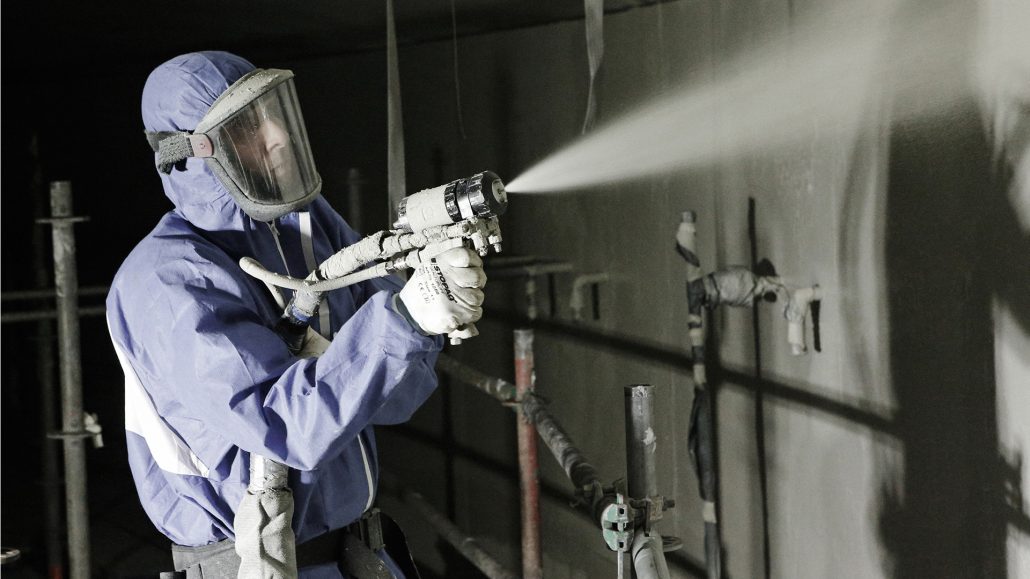
Spray on coatings are applied using a spray gun to ensure an seamless finish. They can be applied to a range of materials such as metal, concrete, wood and plastic. The primary benefit of these coatings lies in their ability to form a layer that firmly adheres to the surface providing protection while enhancing its appeal.
Polyurea Coatings
Polyurea coatings are recognized for their curing time and exceptional toughness. This polymer is created through the reaction of an isocyanate with a resin blend, resulting in a flexible coating. Polyurea finds applications in settings like flooring and roof waterproofing due to its resistance against abrasion, chemicals, and environmental elements, which makes it well-suited for demanding environments.
The application process involves blending the components before spraying them onto the surface. The coating swiftly cures within minutes to create a shield that guards against moisture, UV rays, and physical damage. Polyureas’ ability to flex and adapt to the surface helps prevent cracks and ensures lasting protection.
Polyurethane Coatings
Polyurethane coatings strike a balance, between strength and flexibility. They are formed by combining an isocyanate with a polyol resulting in an versatile material. These coatings are commonly used on surfaces like floors, walls and machinery to shield against wear, impact and chemicals.
The process of applying polyurethane is quite similar to that of polyurea. The ingredients are mixed together. Sprayed onto the surface where they solidify into a layer. Different types of polyurethane coatings are available including aliphatic versions. Aromatic ones are budget friendly but less resistant to UV rays while aliphatic options provide UV resistance and color retention.
Epoxy Coatings
Epoxy coatings are known for their robustness and strong adhesion properties. These coatings result from blending an epoxy resin with a hardener creating a layer. Epoxy coatings find use on floors, metal surfaces and industrial machinery.
The superior epoxy adhesion ensures that the coating adheres to the surface for lasting protection. It offers resistance against chemicals, moisture, and impacts, making it suitable for areas with heavy foot traffic or challenging conditions.
The process of applying these coatings involves mixing the ingredients and spraying them onto the surface. Once applied, they. Create a protective layer.
Silicone coatings are recognized for their ability to withstand weather conditions and their flexibility. These coatings are crafted from silicone polymers and offer a shield against temperatures and UV rays. They are commonly used on roofs, building facades, and other outdoor surfaces.
To apply silicone coatings, the material is sprayed onto the surface, where it solidifies into a seamless coating that prevents cracking and peeling, ensuring lasting protection. Silicone’s resilience in weather makes it well-suited for use.
On the other hand, acrylic coatings are water-based products that are easy to put on. They offer UV resistance and color retention properties which make them ideal for surfaces, like roofs and walls. Acrylic coatings serve both aesthetic purposes by enhancing appearance while safeguarding against weather damage.
Applying coatings is a process. You just spray the material onto the surface, where it dries to form a protective layer. With various colors and finishes available, acrylic coatings allow for customization to elevate aesthetics.
Acrylic coatings may not be as long lasting as polyurea or epoxy. They offer a budget solution, for various purposes.
Selecting the spray on coating depends on project requirements. Factors like the material of the surface, environmental factors, and desired durability should all be considered. Polyurea and polyurethane are great for high-stress settings, while epoxy provides adhesion. Silicone is perfect for weather resistance and acrylic offers a choice with UV protection.
Getting advice from a coatings expert can help you choose the option for your needs. They can offer recommendations on the type of coating, application techniques and maintenance needs to ensure optimal performance and longevity.
Many spray-on coatings are designed to be eco-friendly. Water-based acrylic coatings have VOC emissions, which helps reduce their impact on air quality. Polyurea and polyurethane coatings often do not contain solvents, promoting an environment.
The durability of these coatings also means frequent reapplications are needed, leading to reduced material waste and resource usage. Opting for coatings can boost sustainability in your projects and support a more environmentally conscious future.
In summary spray on coatings are an efficient way to safeguard and improve surfaces. Polyurea, polyurethane, epoxy, silicone and acrylic coatings all offer advantages tailored to uses. By grasping the characteristics and uses of these coatings,, you can select the one, for your requirements guaranteeing durable protection and enhanced functionality. Ongoing advancements in spray on coating technology are set to deliver advantages to the sector presenting solutions, for contemporary construction and upkeep issues.